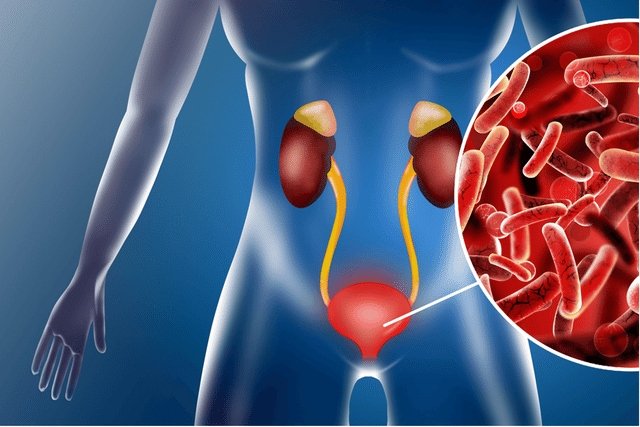
Urinary Tract Infection (UTI) Treatment in Hyderabad
Experiencing burning during urination, frequent urination or lower abdominal discomfort? A urinary tract infection (UTI) requires proper assessment to identify the cause and determine appropriate treatment.
Book an Appointment Know the SymptomsGet medical advice for persistent urinary symptoms.
Urinary Tract Health
Assessment · Diagnosis · Treatment
Common Symptoms of UTI
UTIs can affect the bladder, urethra or kidneys. Symptoms vary depending on the location and severity of the infection.
Burning Urination
A burning or painful sensation while passing urine.
Frequent Urination
Needing to urinate more often than usual.
Urgent Need to Urinate
A sudden, strong urge to pass urine, even with a small amount in the bladder.
Lower Abdominal Pain
Pressure or discomfort in the lower abdomen, especially with bladder infection.
Blood in Urine
Urine may look pink or red. Blood in urine should be medically evaluated.
Fever or Chills
Fever, chills, back or side pain may indicate a more serious infection involving the kidneys.
What Causes a Urinary Tract Infection?
Most UTIs occur when bacteria enter the urinary tract and multiply. Several factors can increase the risk.
Bacterial Infection
Bacteria entering the urinary tract are the most common cause of UTIs.
Urinary Retention
Difficulty emptying the bladder can increase the risk of recurrent infections.
Kidney Stones or Blockage
Stones and urinary obstruction may contribute to infection and require evaluation.
Enlarged Prostate
In some men, an enlarged prostate can interfere with bladder emptying.
Catheter Use
Urinary catheters can increase the risk of infection.
Other Risk Factors
Diabetes, menopause and some urinary tract abnormalities can increase susceptibility.
UTI Diagnosis and Tests
Your clinician may recommend tests based on your symptoms, medical history and whether the infection is recurrent or complicated.
- Urine routine examination
- Urine culture and antibiotic sensitivity when indicated
- Blood tests for suspected severe or complicated infection
- Ultrasound or other imaging for selected cases
- Assessment for urinary retention or obstruction when appropriate
When Should You Seek Urgent Care?
Seek prompt medical assessment for fever, chills, back or side pain, or vomiting with suspected UTI.
Emergency warning: Confusion, fainting, severe weakness or difficulty breathing can signal a serious illness and require emergency care.
UTI Treatment Options
Treatment depends on the type of infection, test results, medical history and patient-specific factors.
Antibiotic Treatment
A clinician may prescribe appropriate antibiotics for a bacterial UTI. The choice depends on the infection and, when available, culture results.
Culture-Guided Care
Urine culture can help identify bacteria and guide antibiotic selection, especially in recurrent or complicated infections.
Complicated UTI Care
Severe infections or infections associated with obstruction may require hospital treatment and management of the underlying cause.
Important: Do not take leftover antibiotics or stop prescribed treatment without medical advice. Not all urinary symptoms are caused by bacterial UTIs.
How to Help Reduce UTI Risk
💧 Stay Hydrated
Drink adequate fluids unless your doctor has advised fluid restriction.
🚻 Avoid Holding Urine
Urinate when you need to and discuss difficulty emptying your bladder with a clinician.
🩺 Follow Up
Seek evaluation for recurrent symptoms rather than repeatedly self-treating with antibiotics.
Frequently Asked Questions About UTI
1. What are the first signs of a UTI?
Common symptoms include burning during urination, frequent urination, urgency and lower abdominal discomfort.
2. Can a UTI go away without antibiotics?
Some urinary symptoms may improve, but bacterial infections can persist or worsen. Consult a healthcare professional to determine whether antibiotics are needed.
3. Is a urine culture necessary for every UTI?
Not always. It may be recommended for recurrent, complicated or treatment-resistant infections, and in certain higher-risk situations.
4. Why do UTIs keep coming back?
Recurrent infections can have several causes. A clinician may recommend urine cultures and evaluation for contributing factors.
5. Can men get urinary tract infections?
Yes. Men can develop UTIs, and assessment may include checking for prostate problems, urinary retention or other underlying causes.
6. When should I see a urologist?
Consult a urologist for recurrent UTIs, persistent urinary symptoms, suspected obstruction, blood in urine or symptoms that do not improve with prescribed treatment.
Looking for UTI Treatment in Hyderabad?
Book a consultation to discuss urinary symptoms, appropriate investigations and a treatment plan tailored to your needs.
Call for an AppointmentDisclaimer: This page is for general educational purposes and does not replace professional medical advice, diagnosis or treatment. Have medical content reviewed by a qualified clinician before publishing.