
TURP Surgery in Hyderabad
Effective surgical treatment for urinary problems caused by an enlarged prostate. Learn about Transurethral Resection of the Prostate (TURP), the procedure, recovery, benefits, and possible risks.
Book an Appointment WhatsApp UsWhat Is TURP Surgery?
TURP stands for Transurethral Resection of the Prostate. It is a surgical procedure used to treat urinary obstruction caused by Benign Prostatic Hyperplasia (BPH), commonly known as enlarged prostate.
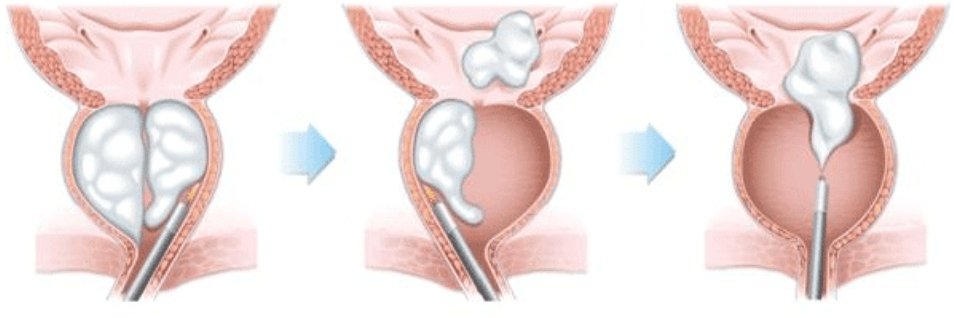
During TURP, a specialized instrument called a resectoscope is inserted through the urethra. The surgeon removes obstructing prostate tissue to improve the passage of urine.
When Is TURP Surgery Recommended?
A urologist may recommend TURP when prostate enlargement significantly affects urinary function or causes complications.
Severe Urinary Symptoms
Persistent difficulty urinating or significantly reduced urine flow.
Urinary Retention
Inability to empty the bladder properly or repeated episodes of retention.
Medication Not Effective
Symptoms that remain troublesome despite appropriate medical treatment.
Repeated Urinary Infections
Recurrent infections associated with incomplete bladder emptying.
Bladder Stones
Bladder stones associated with prostate obstruction in selected patients.
Other Complications
Selected cases involving bleeding or kidney-related complications due to obstruction.
Symptoms of Enlarged Prostate
- Frequent urination during the day
- Repeated urination at night (nocturia)
- Weak or interrupted urine stream
- Difficulty starting urination
- Feeling of incomplete bladder emptying
- Sudden urgency to urinate
- Difficulty passing urine or urinary retention
These symptoms may also occur due to other urinary conditions. A medical evaluation is important before deciding on surgery.
Tests Before TURP Surgery
Before recommending TURP, the urologist evaluates prostate enlargement, urinary symptoms, bladder function, and general health.
Ultrasound
Assessment of prostate size, bladder, and residual urine.
Urine Examination
Evaluation for infection, blood, or other abnormalities.
PSA Test
May be advised as part of prostate evaluation when appropriate.
Uroflowmetry
Measurement of urine flow rate.
Blood Tests
Assessment of general health and kidney function when indicated.
Medical Assessment
Review of medications, anesthesia suitability, and surgical risks.
How Is TURP Surgery Performed?
TURP is usually performed under spinal or general anesthesia. The procedure is carried out through the urinary passage without an external abdominal incision.
01. Anesthesia
Anesthesia is administered to help ensure comfort during the procedure.
02. Instrument Insertion
A resectoscope is passed through the urethra to reach the prostate.
03. Tissue Removal
Obstructing prostate tissue is removed using specialized surgical instruments.
04. Urine Passage
The procedure creates a wider channel for urine to flow from the bladder.
05. Catheter Placement
A urinary catheter is usually placed temporarily after surgery.
06. Recovery Monitoring
The medical team monitors urine output, bleeding, and recovery.
Potential Benefits of TURP Surgery
- Improvement in urine flow
- Relief from urinary obstruction caused by prostate tissue
- May reduce difficulty starting urination
- May improve bladder emptying in suitable patients
- Can reduce episodes of urinary retention related to BPH
- May improve quality of life when symptoms are caused by obstruction
Possible Risks and Complications of TURP
Like any surgical procedure, TURP has potential risks. Your surgeon will discuss these before treatment.
- Bleeding or blood in urine
- Urinary tract infection
- Temporary urinary urgency or burning
- Temporary difficulty controlling urine
- Urethral narrowing or bladder neck narrowing
- Retrograde ejaculation (semen entering the bladder)
- Erectile dysfunction, which is uncommon but possible
- Rare fluid-related complications or other anesthesia-related risks
Recovery After TURP Surgery
Recovery differs between individuals depending on the procedure, health condition, and postoperative progress.
Hospital Stay
Hospital observation is usually required after surgery.
Urinary Catheter
A catheter may remain temporarily until urine drainage is satisfactory.
Urine Changes
Mild burning, urgency, or blood-tinged urine may occur during recovery.
Activity
Avoid heavy lifting and strenuous activity until cleared by your surgeon.
Hydration
Follow your doctor's fluid advice and postoperative instructions.
Follow-Up
Attend follow-up appointments to assess healing and urinary function.
TURP Surgery vs Laser Prostate Surgery
TURP and laser procedures such as HoLEP are established options for treating prostate obstruction. The appropriate choice depends on prostate size, medical history, available expertise, and patient preference.
TURP
- Uses an electrical cutting instrument
- Removes obstructing prostate tissue
- Commonly used for suitable prostate sizes
- May involve bleeding and catheter care
Laser Procedures
- Use laser energy to remove or vaporize tissue
- Some techniques may reduce bleeding
- Selected procedures are suitable for larger prostates
- Availability depends on hospital and surgeon expertise
Choosing Treatment
- Evaluate prostate size and anatomy
- Consider bladder function
- Discuss benefits and risks
- Choose an individualized treatment plan
Frequently Asked Questions About TURP Surgery
1. What is TURP surgery?
TURP is a surgical procedure that removes obstructing prostate tissue through the urethra to improve urine flow in men with BPH.
2. Is TURP surgery painful?
The procedure is performed under anesthesia. Some temporary burning, urinary urgency, or discomfort may occur during recovery.
3. How long does TURP surgery take?
The duration varies depending on prostate size, anatomy, and surgical complexity. Your surgeon can provide an estimate after evaluation.
4. How long is the hospital stay after TURP?
Hospital stay varies based on recovery, urine drainage, bleeding, and individual medical conditions.
5. Is a catheter required after TURP?
Yes, a urinary catheter is usually placed temporarily after surgery. It is removed when the medical team determines that it is appropriate.
6. Does TURP affect sexual function?
Retrograde ejaculation is common after TURP. Erectile function may remain unchanged for many patients, but individual outcomes vary. Discuss fertility and sexual concerns beforehand.
7. Can prostate enlargement return after TURP?
Some prostate tissue remains after TURP and may enlarge over time. A minority of patients may require additional treatment in the future.
8. Is TURP better than laser surgery?
Neither procedure is best for every patient. The choice depends on prostate size, medical history, and clinical suitability.
9. When should I consult a urologist?
Consult a urologist if you experience weak urine flow, frequent urination, difficulty emptying your bladder, or repeated urinary retention.
Looking for TURP Surgery in Hyderabad?
Consult a urologist to evaluate prostate enlargement and understand suitable treatment options.
Call for Appointment WhatsApp AppointmentAURUM Men's Health | Hyderabad
Disclaimer: This content is for educational purposes only and does not replace professional medical advice, diagnosis, or treatment. TURP suitability, risks, and outcomes vary between individuals. Consult a qualified urologist.