
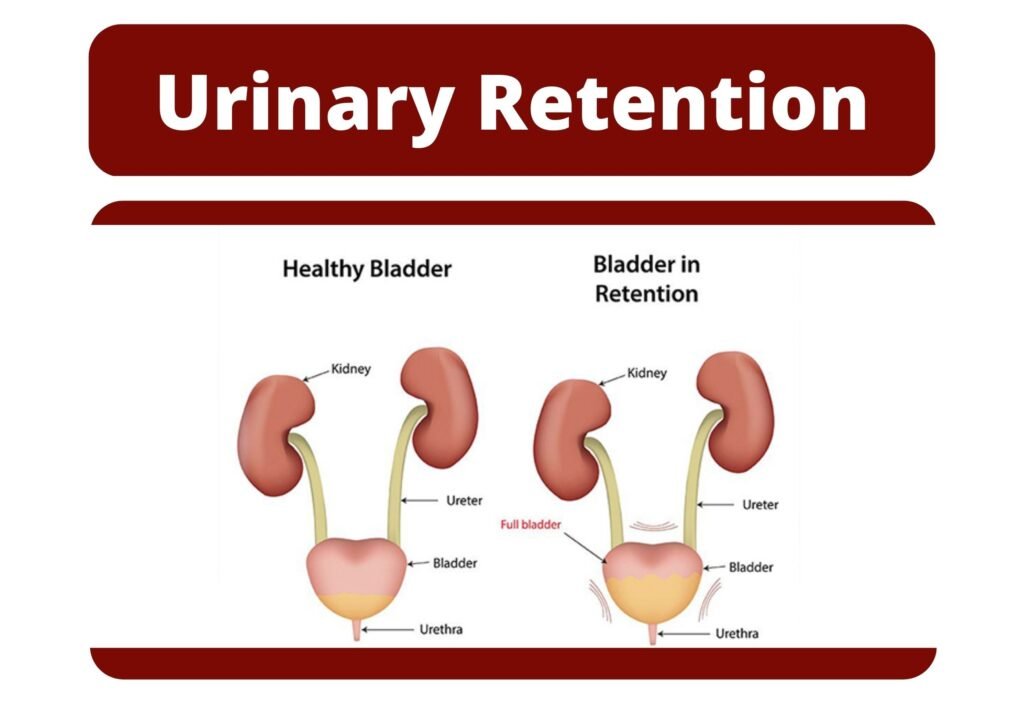
Urinary Retention Treatment in Hyderabad
Experiencing difficulty passing urine, a weak urine stream, incomplete bladder emptying or sudden inability to urinate? Urinary retention can occur due to prostate enlargement, urinary tract obstruction, nerve problems or other medical conditions. Early evaluation by a urologist helps identify the cause and determine appropriate treatment.
Call for Consultation WhatsApp AppointmentWhat Is Urinary Retention?
Urinary retention is a condition in which a person is unable to completely empty the bladder or has difficulty passing urine. It may develop suddenly, known as acute urinary retention, or gradually over time, known as chronic urinary retention.
The condition can affect men and women, although prostate enlargement is a common cause in older men. Urinary retention may be associated with bladder outlet obstruction, urinary infections, medications, nerve dysfunction or abnormalities affecting the bladder and urethra.
Symptoms of Urinary Retention
Difficulty Passing Urine
Difficulty starting urination, straining or taking longer than usual to pass urine.
Weak Urine Stream
A slow, weak or interrupted stream of urine that may stop and start.
Incomplete Bladder Emptying
A feeling that urine remains in the bladder even after using the toilet.
Frequent Urination
Frequent trips to the toilet, particularly at night, with small amounts of urine.
Lower Abdominal Discomfort
Pressure, fullness or discomfort in the lower abdomen due to urine accumulation.
Urine Leakage
Unexpected dribbling or leakage that may occur when the bladder becomes excessively full.
Types of Urinary Retention
Acute Urinary Retention
A sudden inability to urinate. It may cause severe bladder discomfort, pain and swelling in the lower abdomen. It requires urgent medical treatment.
Chronic Urinary Retention
A gradual inability to empty the bladder completely. Some people may experience mild symptoms or may not notice the condition initially.
Causes of Urinary Retention
Urinary retention can occur due to several conditions affecting the bladder, prostate, urethra or nervous system.
Enlarged Prostate (BPH)
An enlarged prostate can compress the urethra and obstruct the flow of urine, particularly in older men.
Urethral Stricture
Narrowing of the urethra due to scarring can restrict urine flow and make bladder emptying difficult.
Urinary Tr tract Stones
Stones in the bladder or urinary tract may interfere with the normal passage of urine.
Urinary Tract Infection
Inflammation or infection may cause swelling, discomfort and difficulty urinating.
Neurological Conditions
Conditions affecting nerves that control bladder function may interfere with bladder contraction and emptying.
Medications
Certain medicines, including some antihistamines, decongestants and other medications, may contribute to urinary retention.
Bladder Muscle Dysfunction
Weak or poorly coordinated bladder muscles may prevent the bladder from emptying effectively.
Post-Surgical Retention
Urinary retention can sometimes occur after surgery or anesthesia due to temporary changes in bladder function.
Diagnosis of Urinary Retention
A urologist evaluates symptoms, medical history and bladder function to determine the cause and severity of urinary retention.
- Medical History: Evaluation of urinary symptoms, medications, previous surgeries and existing medical conditions.
- Physical Examination: Examination of the abdomen and, when indicated, prostate assessment.
- Ultrasound Scan: Assessment of the bladder, kidneys and post-void residual urine volume.
- Urine Tests: Urinalysis and urine culture to detect infection or other abnormalities.
- Blood Tests: Kidney function assessment when clinically indicated.
- Uroflowmetry: Measurement of urine flow rate to assess urinary obstruction.
- Cystoscopy: Examination of the urethra and bladder using a thin camera when required.
Urinary Retention Treatment Options
Treatment depends on the underlying cause, the severity of symptoms, bladder function and the patient's overall health. The goal is to relieve urine obstruction, empty the bladder safely and prevent complications.
Urinary Catheterization
A catheter may be inserted into the bladder to drain urine and relieve acute urinary retention. Depending on the situation, a temporary catheter or intermittent catheterization may be recommended.
Medications
Medications may help relax the prostate and bladder neck in selected patients with prostate-related obstruction. Treatment may also address infection or other underlying conditions.
Prostate Treatment
When urinary retention is caused by an enlarged prostate, treatment may include medications or procedures such as TURP or laser prostate surgery, depending on the clinical evaluation.
Urethral Stricture Treatment
Urethral narrowing may require procedures such as urethral dilation, internal urethrotomy or urethroplasty, depending on the location and severity of the stricture.
Bladder Stone Treatment
Bladder stones causing obstruction may require endoscopic treatment to remove the stones and address the underlying cause.
Bladder Function Management
Patients with bladder muscle or nerve dysfunction may require an individualized management plan, which may include intermittent catheterization, medication or further evaluation.
How Is Acute Urinary Retention Treated?
Acute urinary retention requires prompt medical assessment. A healthcare professional may relieve the bladder using a urinary catheter. Further tests may be performed to identify the cause of the obstruction or bladder dysfunction.
- Immediate bladder drainage when necessary.
- Assessment for enlarged prostate, urethral obstruction or infection.
- Monitoring of urine output and kidney function when indicated.
- Medication or further urological treatment based on the cause.
- Follow-up evaluation before attempting catheter removal.
Seek Emergency Medical Care Immediately
Go to the nearest emergency department if you:
- Suddenly cannot pass urine at all.
- Have severe lower abdominal pain or a swollen bladder.
- Have urinary retention accompanied by fever or chills.
- Experience severe back pain, leg weakness or numbness around the groin.
Do not wait for a routine appointment if you cannot urinate.
Why Choose a Urologist for Urinary Retention?
Specialist Evaluation
Assessment of the bladder, prostate, urethra and urinary system to identify the underlying cause.
Individualized Treatment
Management based on the patient's symptoms, diagnostic findings, medical history and bladder function.
Advanced Urological Care
Evaluation for appropriate medical, catheter-based or surgical treatment options when necessary.
Follow-Up Care
Monitoring of urinary symptoms, bladder emptying and treatment response.
Urinary Retention Treatment in Hyderabad
If you are experiencing difficulty passing urine, incomplete bladder emptying, a weak urine stream or recurrent urinary retention, consult a qualified urologist for evaluation.
Dr. V. Sasanka, Senior Consultant Urologist and Andrologist, provides evaluation and management of urinary problems, including urinary retention, enlarged prostate, urethral stricture, bladder stones and other urological conditions.
The appropriate treatment is determined after clinical examination and necessary investigations.
Frequently Asked Questions
1. What is the most common cause of urinary retention in men?
Enlarged prostate, also called benign prostatic hyperplasia (BPH), is a common cause of urinary retention in older men. Other causes include urethral stricture, infections, bladder stones, medications and neurological conditions.
2. Is urinary retention a serious condition?
Yes. Acute urinary retention can be an emergency. Chronic urinary retention may also lead to complications such as urinary infections, bladder damage and kidney problems if left untreated.
3. What should I do if I cannot urinate?
If you suddenly cannot urinate, particularly if you have lower abdominal pain or bladder fullness, seek immediate medical attention. A healthcare professional may need to drain the bladder using a catheter.
4. Can urinary retention be treated with medicines?
Some causes of urinary retention may respond to medication. For example, medicines that relax the prostate and bladder neck may help patients with prostate-related obstruction. However, medication is not appropriate for every cause.
5. Does an enlarged prostate cause urinary retention?
Yes. An enlarged prostate may compress the urethra and interfere with urine flow. In some cases, it can cause partial or complete urinary retention.
6. Is catheterization necessary for urinary retention?
Catheterization may be necessary to drain the bladder, especially in acute urinary retention. The need for a catheter and the duration of its use depend on the underlying cause and the patient's condition.
7. Can urinary retention be permanently cured?
In some patients, urinary retention resolves after treating the underlying cause. Others may require ongoing treatment or follow-up depending on bladder function, prostate enlargement or neurological conditions.
8. Which doctor treats urinary retention?
A urologist specializes in urinary system conditions and can evaluate and treat urinary retention in men and women.
9. Can urinary retention affect the kidneys?
Chronic urinary retention or severe obstruction may affect kidney function in some patients. Timely diagnosis and treatment help reduce the risk of complications.
10. Where can I get urinary retention treatment in Hyderabad?
You can consult a qualified urologist in Hyderabad for evaluation, diagnosis and treatment of urinary retention and related urinary conditions.
Need Treatment for Urinary Retention?
Consult a urologist for evaluation of difficulty passing urine, incomplete bladder emptying or urinary obstruction.
Dr. V. Sasanka
Senior Consultant Urologist & Andrologist