
Varicocele Treatment in Hyderabad
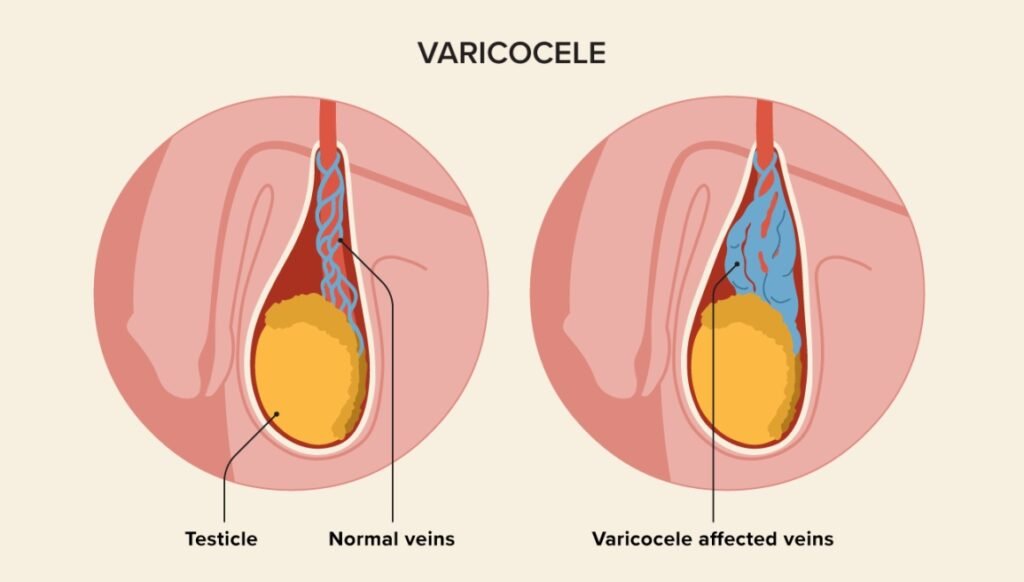
A varicocele is an enlargement of veins inside the scrotum, similar to varicose veins. It may cause a dull ache, a feeling of heaviness, or fertility concerns in some men. A urologist can assess your symptoms and discuss appropriate treatment options.
When to consult a urologist
- Persistent scrotal discomfort or heaviness
- Swollen or prominent veins in the scrotum
- One testicle appearing smaller than the other
- Concerns about fertility or semen test results
- Scrotal changes that need medical assessment
Sudden, severe testicular pain needs emergency medical assessment.
What Is a Varicocele?
A varicocele develops when veins that drain blood from the testicle become enlarged, often because blood does not flow efficiently through the veins' valves. It commonly occurs on the left side, although it can affect either side.
Many varicoceles do not cause symptoms and may not require treatment. In selected patients, however, a varicocele can be associated with discomfort, differences in testicular size, or impaired fertility. A clinical examination helps determine whether treatment may be useful.
Common Symptoms of Varicocele
Some men have no symptoms. When symptoms occur, they may include:
Scrotal Discomfort
A dull ache or pain that may become more noticeable after standing or physical activity.
Heaviness
A dragging or heavy feeling in the scrotum, particularly later in the day.
Enlarged Veins
Prominent veins that may feel like a bundle of soft cords above the testicle.
Testicular Size Difference
One testicle may be smaller, particularly in adolescents with a significant varicocele.
Fertility Concerns
Some varicoceles are associated with abnormal semen parameters or difficulty conceiving.
No Noticeable Symptoms
A varicocele may be discovered during a routine examination or fertility evaluation.
What Causes a Varicocele?
Varicoceles usually develop when blood pools in the veins that drain the testicle. This is often related to the way the veins and their valves function.
- Blood flowing backward through faulty venous valves
- Differences in the anatomy of the veins, especially on the left
- Increased pressure within the veins that drain the testicle
- Development during adolescence or early adulthood
Does Every Varicocele Need Treatment?
No. Treatment is not automatically necessary for every varicocele. The decision depends on symptoms, examination findings, testicular development, and fertility goals.
A urologist may recommend observation when there are no concerning symptoms or other indications for intervention.
How Is Varicocele Diagnosed?
Diagnosis usually starts with a medical history and physical examination. Additional tests may be advised depending on the findings.
Physical Examination
The urologist examines the scrotum, sometimes while standing and straining, to assess enlarged veins.
Scrotal Ultrasound
An ultrasound with Doppler may be used when the diagnosis is unclear or another cause needs to be assessed.
Semen Analysis
For men being evaluated for infertility, semen testing may help assess sperm count, movement, and other parameters.
Testicular Assessment
Testicular size and development may be assessed, particularly in adolescents or selected clinical situations.
Hormone Tests
Blood tests may be considered when fertility or hormonal symptoms suggest they are needed.
Personalised Evaluation
Your urologist will recommend only the investigations appropriate to your symptoms and clinical findings.
Varicocele Treatment Options
Treatment depends on the severity of symptoms, examination findings, testicular health, and fertility goals. Your urologist can explain the potential benefits, limitations, and risks of each option.
Observation and Monitoring
If the varicocele is not causing significant symptoms or other concerns, monitoring may be appropriate. Follow-up depends on individual findings.
Conservative Symptom Relief
Supportive underwear, activity adjustments, and clinician-approved pain relief may help some people manage mild discomfort. These measures do not remove the varicocele.
Varicocele Surgery (Varicocelectomy)
A procedure that closes the affected veins so blood can drain through other veins. Microsurgical and other surgical approaches may be considered depending on the case.
Microsurgical Varicocelectomy
Using magnification, the surgeon identifies and treats the targeted veins while aiming to preserve important structures. Suitability and risks should be discussed with the surgeon.
Embolization
An interventional radiology procedure that blocks the affected veins from inside using a catheter and suitable embolic materials. Availability and suitability vary by patient and centre.
Fertility-Focused Care
When fertility is a concern, treatment decisions may involve semen results, reproductive history, and discussion of other fertility assessment or treatment options.
When May Treatment Be Considered?
A urologist may discuss treatment when a varicocele is associated with:
- Persistent pain that has not improved with appropriate conservative care
- Testicular growth or size concerns in adolescents
- Infertility, a clinically palpable varicocele, and abnormal semen parameters in selected patients
- Other findings that warrant specialist assessment
Recovery After Treatment
Recovery varies with the procedure and the individual. Your treating team will explain wound care, activity restrictions, pain management, and the timing of follow-up.
- Follow your surgeon's instructions.
- Avoid strenuous activity for the period advised.
- Attend follow-up appointments.
- Seek medical advice for fever, worsening swelling, severe pain, or other concerning symptoms.
- If treatment was for fertility, ask when repeat semen analysis may be appropriate.
Your Varicocele Consultation Journey
Initial Consultation
Discuss your symptoms, medical history, and concerns about pain or fertility.
Assessment and Testing
Complete the examination and any tests recommended by the urologist.
Discuss the Next Steps
Review monitoring, symptom management, or procedural options based on your findings.
Frequently Asked Questions About Varicocele
1. Can a varicocele be treated without surgery?
Yes. Some varicoceles can be monitored without surgery, especially when they do not cause significant symptoms or other concerns. Supportive measures may ease discomfort but do not eliminate the enlarged veins.
2. Does every varicocele cause infertility?
No. Many men with varicoceles are fertile. A varicocele may be associated with impaired fertility in some men, but an individual assessment is needed to understand its relevance.
3. Is varicocele surgery always necessary?
No. Treatment is considered based on symptoms, examination findings, testicular development, and fertility factors. Observation may be appropriate for some patients.
4. Which is better: microsurgery or embolization?
Neither option is best for everyone. Suitability depends on the clinical situation, anatomy, local expertise, potential risks, and patient preferences. A specialist can explain the options.
5. Can a varicocele return after treatment?
Recurrence or persistence is possible after treatment. The likelihood varies by procedure and individual factors, so follow-up is important.
6. How long does recovery take after varicocele surgery?
Recovery depends on the procedure and your health. Your surgeon will advise when you can return to work, exercise, and other activities.
7. When should I seek urgent care for testicular pain?
Sudden or severe testicular pain requires immediate medical evaluation, especially when accompanied by swelling, nausea, or vomiting. Do not delay care while assuming it is a varicocele.
Looking for Varicocele Treatment in Hyderabad?
Consult a qualified urologist to discuss scrotal discomfort, varicocele diagnosis, and treatment options suited to your needs.
Replace the placeholder telephone number with your hospital's verified appointment number before publishing.
Disclaimer: This page provides general educational information and does not replace professional medical advice, diagnosis, or treatment. Consult a qualified healthcare professional for advice specific to your condition.