
Prostatitis Treatment in Hyderabad
Expert evaluation and treatment for prostate inflammation, prostate infection, pelvic pain, and urinary symptoms. Understand prostatitis, its causes, diagnosis, and available treatment options.
Book an Appointment WhatsApp UsWhat Is Prostatitis?
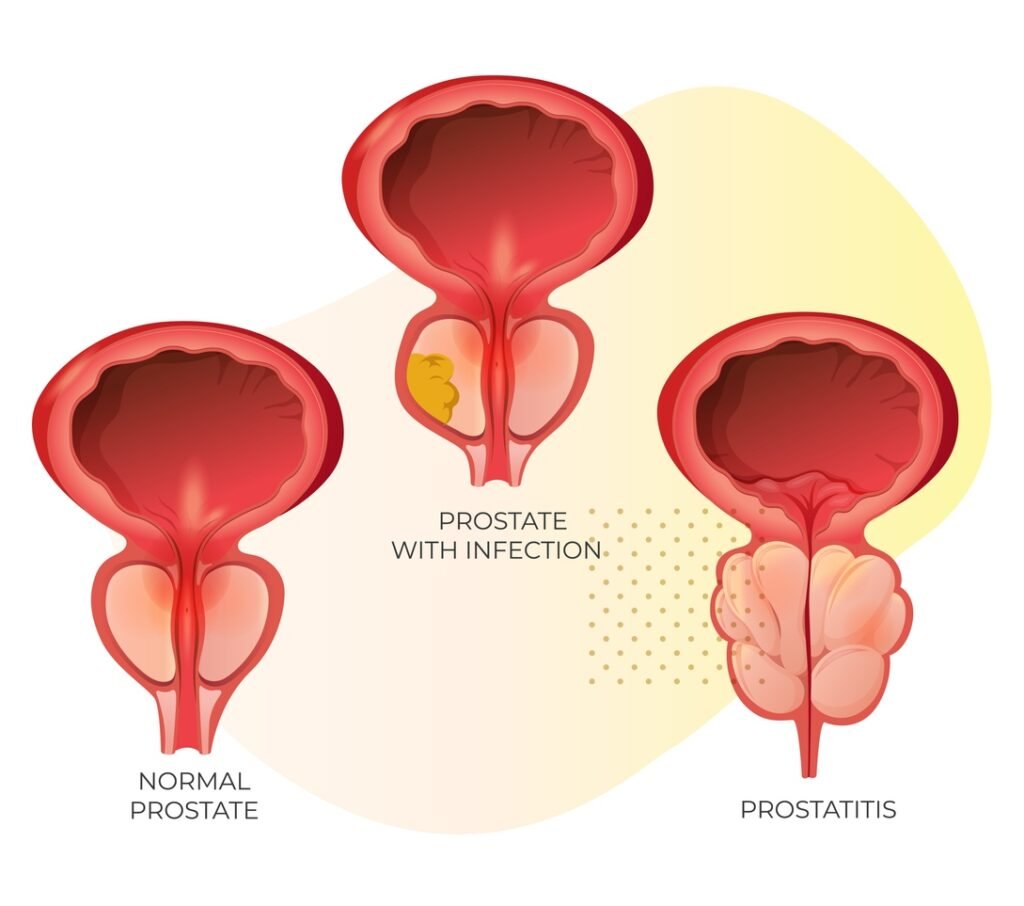
Prostatitis is inflammation of the prostate gland, which is located below the bladder and surrounds part of the urethra. It can cause pain, discomfort, urinary symptoms, and sometimes sexual or reproductive symptoms.
Prostatitis may be caused by a bacterial infection or may occur without an identifiable bacterial infection. The condition can be acute, chronic, or associated with persistent pelvic pain.
Symptoms of Prostatitis
Painful Urination
Burning, discomfort, or pain while passing urine.
Frequent Urination
Needing to urinate more frequently during the day or night.
Urgency
A sudden need to urinate that may be difficult to control.
Pelvic Pain
Pain or discomfort in the lower abdomen, pelvis, or groin.
Perineal Discomfort
Pain or pressure in the area between the scrotum and anus.
Sexual Symptoms
Pain during or after ejaculation or discomfort affecting sexual activity.
Types of Prostatitis
Acute Bacterial Prostatitis
A sudden bacterial infection of the prostate that may cause fever, chills, painful urination, pelvic pain, and difficulty passing urine. It requires prompt medical evaluation.
Chronic Bacterial Prostatitis
A persistent or recurrent bacterial infection of the prostate that may cause recurring urinary symptoms, pelvic discomfort, and repeated urinary infections.
Chronic Prostatitis / Chronic Pelvic Pain Syndrome
Persistent pelvic or prostate-area pain and urinary or sexual symptoms without a confirmed bacterial infection. Management may involve multiple treatment approaches.
Asymptomatic Inflammatory Prostatitis
Inflammation of the prostate without noticeable symptoms. It may be identified during investigations performed for other reasons.
Causes of Prostatitis
The causes vary depending on the type of prostatitis.
- Bacterial infection involving the urinary tract or prostate
- Urinary tract infections that may recur
- Inflammation without a confirmed bacterial infection
- Pelvic muscle tension or dysfunction in some chronic pelvic pain cases
- Other urinary or pelvic conditions that may cause similar symptoms
In chronic pelvic pain syndrome, the exact cause may not be clear. Symptoms may involve multiple factors rather than a single infection.
Diagnosis of Prostatitis
A urologist evaluates symptoms, medical history, and examination findings to determine the type of prostatitis and rule out other conditions.
Medical History
Assessment of pain, urinary symptoms, previous infections, and medications.
Physical Examination
Clinical evaluation, including prostate examination when appropriate.
Urine Examination
Urine testing to identify infection, blood, or other abnormalities.
Urine Culture
May help identify bacteria and guide antibiotic treatment.
Blood Tests
May be advised to assess infection or general health in selected cases.
Additional Investigations
Ultrasound or other investigations may be recommended depending on symptoms.
Prostatitis Treatment Options
Treatment depends on whether the condition is bacterial, chronic pelvic pain syndrome, or another type of prostate inflammation.
Antibiotic Treatment
Antibiotics may be prescribed for confirmed or suspected bacterial prostatitis. The medication and duration depend on the infection, test results, and clinical assessment.
Pain Management
Appropriate pain-relieving medication may help manage discomfort and inflammation when recommended by a doctor.
Urinary Symptom Management
Certain medicines may help relieve urinary symptoms or improve urine flow in selected patients.
Pelvic Floor Therapy
Pelvic floor physiotherapy may be considered in some patients with chronic pelvic pain or muscle-related symptoms.
Lifestyle Management
Avoiding triggers, maintaining hydration, and adjusting certain daily habits may help manage symptoms.
Individualized Treatment
Treatment plans are tailored according to symptoms, infection status, medical history, and response to previous treatment.
Acute Prostatitis Treatment
Acute bacterial prostatitis may cause sudden and severe symptoms. Prompt evaluation is important because infection may occasionally lead to complications.
- Medical assessment and appropriate urine testing
- Antibiotics when bacterial infection is suspected or confirmed
- Pain and fever management as medically appropriate
- Assessment of urinary retention or other complications
- Hospital treatment if the patient is severely unwell or requires it
Chronic Prostatitis Treatment
Chronic prostatitis and chronic pelvic pain syndrome may require a combination of treatments. Antibiotics are not routinely beneficial when there is no evidence of bacterial infection.
Symptom Management
Individualized treatment for pelvic pain and urinary discomfort.
Pelvic Floor Physiotherapy
Therapy may help address muscle tension and pelvic floor dysfunction.
Medication Review
Review of medicines that may help manage pain or urinary symptoms.
Stress Management
Relaxation strategies may support symptom management in some patients.
Trigger Management
Identifying activities, foods, or habits that may worsen symptoms.
Follow-Up Care
Ongoing assessment to monitor symptoms and adjust the treatment plan.
Lifestyle Tips for Prostatitis
- Drink adequate fluids according to your medical needs.
- Avoid excessive caffeine or alcohol if they worsen urinary symptoms.
- Limit foods or drinks that trigger pelvic discomfort.
- Avoid prolonged sitting if it aggravates symptoms.
- Consider gentle physical activity and relaxation techniques.
- Follow prescribed medication and medical advice.
- Avoid taking antibiotics without a doctor's recommendation.
When Should You Seek Urgent Medical Care?
- High fever or chills along with urinary symptoms
- Inability to pass urine
- Severe lower abdominal or pelvic pain
- Vomiting or feeling seriously unwell
- Blood in urine with severe symptoms
Frequently Asked Questions About Prostatitis
1. What is prostatitis?
Prostatitis is inflammation of the prostate gland. It may be caused by bacterial infection or occur without a confirmed infection.
2. What are the common symptoms of prostatitis?
Symptoms may include painful urination, frequent urination, pelvic pain, discomfort in the perineal area, and pain during ejaculation.
3. Is prostatitis a bacterial infection?
Some types are caused by bacterial infection. Chronic pelvic pain syndrome is not necessarily caused by bacteria.
4. Can prostatitis be treated?
Yes. Treatment depends on the type and may include antibiotics for bacterial infection, pain management, urinary symptom medicines, pelvic floor therapy, and other individualized approaches.
5. Does prostatitis affect sexual health?
Some men experience pain during or after ejaculation, pelvic discomfort, or sexual symptoms. The effects vary depending on the condition and individual patient.
6. Can prostatitis cause difficulty urinating?
Yes. Prostatitis can cause urinary discomfort, difficulty passing urine, or urinary retention in some cases.
7. How is prostatitis diagnosed?
Diagnosis may involve medical history, physical examination, urine tests, urine culture, and additional investigations when necessary.
8. Is chronic prostatitis the same as prostate enlargement?
No. Prostatitis refers to prostate inflammation. Benign prostatic hyperplasia (BPH) refers to non-cancerous prostate enlargement. They are different conditions, although some symptoms may overlap.
9. When should I consult a urologist?
Consult a urologist if you have persistent pelvic pain, painful urination, frequent urination, recurrent urinary infections, or other prostate-related symptoms.
Looking for Prostatitis Treatment in Hyderabad?
Consult Dr. V. Sasanka, Sr. Consultant Urologist & Andrologist, at AURUM Men's Health for evaluation of prostate inflammation, urinary symptoms, and pelvic pain.
Call for Appointment WhatsApp AppointmentAURUM Men's Health | Hyderabad
Disclaimer: This page is for educational purposes only and does not replace professional medical advice, diagnosis, or treatment. Treatment depends on the type of prostatitis and individual clinical assessment. Consult a qualified urologist.