
PCNL Treatment for Kidney Stones in Hyderabad
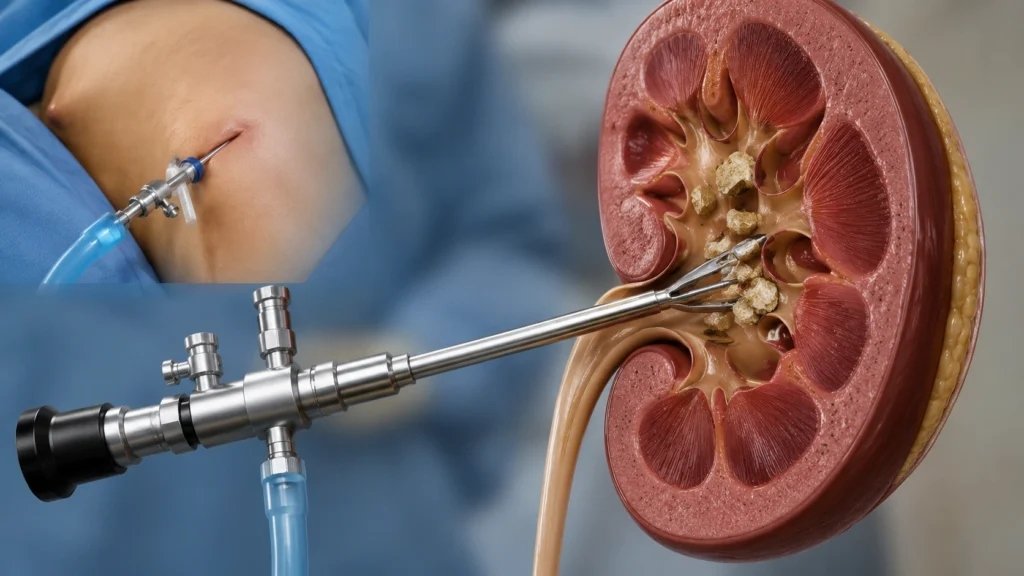
Percutaneous Nephrolithotomy (PCNL) is a minimally invasive surgical procedure used mainly to remove large or complex kidney stones. The surgeon reaches the kidney through a small incision in the back and removes stones using specialised instruments.
About PCNL Surgery
- Commonly used for large kidney stones
- May be suitable for complex or multiple stones
- Access to the kidney through a small incision
- Stones are removed using specialised instruments
- Requires assessment by a qualified urologist
The appropriate procedure depends on your stone size, location, anatomy, medical history, and imaging results.
What Is PCNL Surgery?
PCNL stands for Percutaneous Nephrolithotomy. It is a surgical procedure in which the surgeon creates a small opening through the skin of the back into the kidney. Specialised instruments are passed through this tract to break up and remove kidney stones.
PCNL is frequently considered for larger kidney stones, complex stone burdens, and selected stones that may be difficult to treat effectively with other methods. The exact approach depends on the individual patient's condition.
Symptoms of Kidney Stones
Kidney stones may remain unnoticed or cause symptoms depending on their size and location.
Side or Back Pain
Pain in the side or back that may spread towards the abdomen or groin.
Blood in Urine
Urine may appear pink, red, or brown, or blood may be detected during testing.
Frequent Urination
A frequent or urgent need to urinate may occur, especially when a stone is near the bladder.
Painful Urination
Some patients experience burning or discomfort while passing urine.
Nausea or Vomiting
Kidney stone pain may be accompanied by nausea or vomiting.
Urinary Obstruction
A stone may obstruct urine flow and sometimes affect kidney function.
When Is PCNL Recommended?
PCNL may be recommended when the stone burden or complexity makes other treatment approaches less suitable.
- Large kidney stones, commonly those greater than 2 cm
- Complex or staghorn kidney stones
- Multiple stones in selected cases
- Stones that have not been adequately treated with another procedure
- Specific stone locations or clinical situations where PCNL is preferred
Is PCNL Suitable for Everyone?
Not every kidney stone requires PCNL. Smaller stones may sometimes be managed with observation, shock-wave lithotripsy, or ureteroscopy with laser treatment, depending on their characteristics.
The urologist will review imaging, kidney anatomy, urine test results, medicines, and other health conditions before recommending a treatment plan.
Tests Before PCNL Surgery
Preoperative investigations help the medical team understand the stone burden and prepare for the procedure.
CT Scan or Other Imaging
Imaging helps assess stone size, location, complexity, and kidney anatomy.
Urine Testing
Urine tests and, when indicated, a urine culture help identify infection before surgery.
Blood Tests
Tests may assess kidney function, blood counts, and other relevant health factors.
Medication Review
The team reviews medicines, including blood thinners, and provides individual instructions.
Anaesthesia Assessment
Your fitness for anaesthesia and any relevant medical conditions are evaluated.
Personalised Planning
The surgeon plans the safest access route and approach based on your imaging and clinical needs.
How Is PCNL Surgery Performed?
PCNL is generally performed under general anaesthesia in a suitably equipped hospital. The precise steps may vary with the stone and the surgical technique used.
Preoperative Preparation
The medical team reviews imaging, urine and blood tests, medications, and anaesthesia requirements. Any urinary infection is assessed and treated before surgery when necessary.
Creating Access to the Kidney
The surgeon creates a small access tract through the skin of the back into the kidney, using imaging guidance.
Stone Fragmentation
Specialised instruments are passed through the access tract to break large stones into pieces when required.
Stone Removal
Stone fragments are removed through the tract. The surgeon checks the kidney and may use imaging or endoscopic inspection to assess the result.
Drainage if Needed
A temporary nephrostomy tube, ureteral stent, or other drainage device may be placed when clinically appropriate. Some patients may be suitable for a tubeless approach.
Postoperative Monitoring
The team monitors pain, urine output, bleeding, infection signs, and recovery. Follow-up is arranged according to your condition.
Potential Benefits of PCNL
For appropriately selected patients, PCNL can be an effective treatment for substantial kidney stone burdens.
Suitable for Large Stones
PCNL is commonly used for large and complex kidney stones.
Direct Stone Access
The surgeon accesses the kidney through a planned tract to remove stones.
Substantial Stone Clearance
PCNL can achieve high stone clearance rates in suitable cases, although residual fragments can remain.
May Reduce Repeat Procedures
For some large stone burdens, PCNL may reduce the need for multiple separate treatment sessions compared with certain alternatives.
Different Techniques Available
The surgeon may choose standard or mini-PCNL techniques based on individual needs and expertise.
Individualised Treatment
The approach can be planned according to stone burden, anatomy, and overall health.
Possible Risks and Complications
PCNL is an established procedure, but it carries potential risks. Your surgeon will explain the risks relevant to your health and the planned technique.
- Bleeding, sometimes requiring a blood transfusion or another intervention
- Urinary tract infection or serious infection
- Injury to the kidney, ureter, or nearby structures
- Residual stones or the need for another procedure
- Urine leakage or problems related to a drainage tube
- Anaesthesia-related complications
When to Seek Medical Help
Follow your discharge instructions and contact your treating team if you experience concerning symptoms.
- Fever or chills
- Heavy or increasing bleeding in the urine
- Severe or worsening pain
- Persistent vomiting or inability to keep fluids down
- Difficulty passing urine or problems with a drainage device
Recovery After PCNL Surgery
Recovery depends on the stone burden, surgical technique, overall health, and whether a drainage tube or stent is used. Hospital observation is commonly required after PCNL.
- Take medicines according to your discharge instructions.
- Keep any dressing or tube site clean as instructed.
- Follow the surgeon's guidance on bathing and activity.
- Avoid heavy lifting and strenuous exercise until cleared.
- Attend follow-up visits and planned tube or stent removal.
- Ask when it is appropriate to return to work and normal routines.
Preventing Future Kidney Stones
Stone prevention depends on the type of stone, urine chemistry, diet, and medical history. Your clinician may recommend:
- Appropriate fluid intake based on your health needs
- Stone analysis when a sample is available
- Blood and urine testing for selected patients
- Dietary changes tailored to the stone type
- Medication when a specific risk factor requires treatment
A personalised prevention plan can help reduce the risk of developing additional stones.
Frequently Asked Questions About PCNL Treatment
1. What is the full form of PCNL?
PCNL stands for Percutaneous Nephrolithotomy, a minimally invasive surgical procedure used to remove kidney stones through a small access tract in the back.
2. For which kidney stones is PCNL used?
PCNL is commonly considered for kidney stones larger than 2 cm, staghorn stones, and selected complex stone burdens. The best treatment depends on the individual case.
3. Is PCNL an open surgery?
PCNL is generally considered minimally invasive. The surgeon accesses the kidney through a small incision rather than a large open surgical incision.
4. Is PCNL performed under anaesthesia?
PCNL is usually performed under general anaesthesia. The anaesthesia team assesses your health and explains the plan before surgery.
5. How long does recovery take after PCNL?
Recovery varies depending on the procedure, stone complexity, health conditions, and postoperative course. Your surgeon will advise when you can resume normal activities.
6. Will I need a tube or stent after PCNL?
Some patients need a temporary nephrostomy tube, ureteral stent, or both. Others may be suitable for a tubeless procedure. The decision depends on surgical findings and clinical needs.
7. Is PCNL better than RIRS?
Neither is best for every patient. PCNL is commonly preferred for larger or complex stones, while RIRS may be appropriate for other stone sizes and locations. Your urologist can compare the options after reviewing your scans.
8. Can kidney stones return after PCNL?
Yes. PCNL removes existing stones but does not eliminate every cause of stone formation. Stone analysis, follow-up, and a prevention plan may help reduce recurrence.
9. Is PCNL safe for everyone?
PCNL is suitable for many patients, but risks vary with medical conditions, medications, kidney anatomy, and stone complexity. A preoperative assessment helps determine whether it is appropriate.
10. When should I seek urgent care for kidney stones?
Seek urgent medical care for fever or chills with suspected stones, inability to pass urine, or severe uncontrolled pain. These symptoms can indicate a serious complication.
Looking for PCNL Treatment in Hyderabad?
Consult a qualified urologist to discuss your kidney stone reports, whether PCNL is suitable, and which treatment options may be right for you.
Replace the placeholder telephone number with your hospital's verified appointment number before publishing.
Disclaimer: This page provides general educational information and does not replace professional medical advice, diagnosis, or treatment. Consult a qualified healthcare professional for advice specific to your condition.