
Overactive Bladder Treatment in Hyderabad
Are you experiencing frequent urination, sudden urges to pass urine or waking up multiple times at night to use the toilet? These may be symptoms of an overactive bladder. Early evaluation by a urologist can help identify the cause and guide appropriate treatment.
Call for Consultation WhatsApp AppointmentWhat Is an Overactive Bladder?
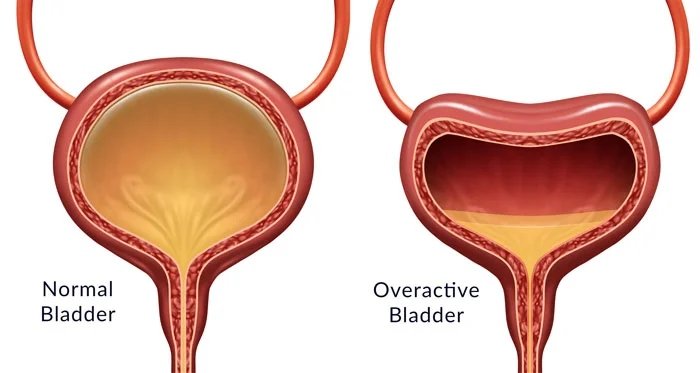
Overactive bladder (OAB) is a condition characterized by a sudden, difficult-to-control urge to urinate. It may also cause frequent urination during the day, waking up at night to urinate and sometimes accidental urine leakage before reaching the toilet.
The symptoms are often associated with involuntary bladder muscle activity, but several other conditions can produce similar symptoms. Overactive bladder can affect both men and women and may interfere with daily activities, sleep, work and quality of life.
Symptoms of Overactive Bladder
Sudden Urinary Urgency
A sudden and strong need to urinate that is difficult to postpone.
Frequent Urination
Needing to pass urine more often than usual during the day.
Night-Time Urination
Waking up one or more times at night to urinate, known as nocturia.
Urge Incontinence
Accidental urine leakage associated with a sudden urge to urinate.
Interrupted Daily Activities
Planning journeys, meetings or activities around the availability of toilets.
Sleep Disturbance
Repeated night-time bathroom visits that may affect sleep quality.
Causes and Risk Factors of Overactive Bladder
Overactive bladder symptoms may develop due to changes in bladder function or other medical conditions. In many people, a single definite cause cannot be identified.
Involuntary Bladder Contractions
Bladder muscles may contract involuntarily, creating a sudden urge to urinate.
Age-Related Changes
Changes in bladder function and other health conditions may contribute to urinary symptoms with increasing age.
Prostate Enlargement
In men, an enlarged prostate may cause urinary symptoms that can resemble or coexist with overactive bladder.
Neurological Conditions
Some conditions affecting the brain, spinal cord or nerves can interfere with bladder control.
Urinary Tract Infection
Infections can cause urgency and frequency, so they should be considered during evaluation.
Lifestyle Factors
Caffeine, alcohol and certain fluid habits may worsen urgency and frequency in some people.
Diagnosis of Overactive Bladder
A urologist evaluates your symptoms, medical history and bladder function. Tests are selected according to your individual symptoms and examination findings.
- Medical History: Review of urinary symptoms, fluid intake, medications and existing medical conditions.
- Bladder Diary: Recording fluid intake, urination frequency, urine volume and episodes of urgency or leakage.
- Urine Test: Checking for infection, blood or other abnormalities.
- Blood Tests: Tests such as blood glucose or kidney function may be recommended when indicated.
- Ultrasound Scan: Assessment of the bladder and the amount of urine remaining after urination, when appropriate.
- Uroflowmetry: Measurement of urine flow to assess possible urinary obstruction.
- Urodynamic Testing: Specialized bladder function tests may be recommended in selected cases.
- Cystoscopy: Examination of the bladder and urethra using a thin camera when clinically necessary.
Overactive Bladder Treatment Options
Treatment depends on symptom severity, the underlying cause, bladder function and the patient's overall health. Many people can improve their symptoms with lifestyle changes, bladder training and medication. Other treatment options may be considered when symptoms persist.
Bladder Training
A structured approach to gradually increase the time between bathroom visits and improve control over urinary urgency.
Pelvic Floor Exercises
Pelvic floor muscle training may help improve bladder control and reduce urgency or leakage in suitable patients.
Medications
A urologist may prescribe medicines such as antimuscarinics or beta-3 agonists to help reduce unwanted bladder contractions and urinary urgency.
Botulinum Toxin Treatment
Bladder injections of botulinum toxin may be considered for selected patients whose symptoms have not improved sufficiently with other treatments. Follow-up is important because urinary retention and urinary infection are possible risks.
Nerve Stimulation Therapy
Selected patients may benefit from treatments such as tibial nerve stimulation or sacral neuromodulation to help regulate bladder activity.
Treatment of Underlying Conditions
If symptoms are related to infection, prostate enlargement, diabetes or another condition, managing that condition is an important part of treatment.
Lifestyle Changes to Manage Overactive Bladder
Certain lifestyle adjustments may help reduce urinary urgency and frequency. The best approach depends on your health, daily routine and symptoms.
- Monitor Fluid Intake: Drink adequate fluids throughout the day. Avoid excessive fluid intake, especially close to bedtime.
- Reduce Caffeine: Tea, coffee and energy drinks may worsen urgency in some people.
- Limit Bladder Irritants: Alcohol and certain acidic or spicy foods may trigger symptoms in some individuals.
- Follow a Bladder Schedule: Timed urination may help reduce frequent, unplanned bathroom visits.
- Maintain a Healthy Weight: Weight management may help reduce pressure on the bladder.
- Prevent Constipation: Adequate dietary fibre, fluids and physical activity can help maintain regular bowel movements.
- Keep a Bladder Diary: Record symptoms and possible triggers to discuss with your urologist.
When Should You Consult a Urologist?
Consider a urology consultation if you experience:
- Frequent urination that affects your daily routine.
- Sudden urges that are difficult to control.
- Repeated waking at night to pass urine.
- Accidental urine leakage.
- Urinary symptoms that persist or worsen.
- Symptoms that do not improve with lifestyle changes.
When to Seek Urgent Medical Care
Seek prompt medical attention if urinary symptoms are accompanied by fever, chills, severe pain or visible blood in the urine. Sudden inability to pass urine, especially with lower abdominal pain or bladder fullness, requires emergency medical care.
Overactive Bladder in Men
Men experiencing frequent urination, urgency or night-time urination may have overactive bladder. However, these symptoms can also be associated with an enlarged prostate, urinary infection, bladder stones or other urinary conditions.
A urologist may evaluate prostate size, urine flow, bladder emptying and other relevant factors before recommending treatment. Identifying the correct cause helps guide an appropriate management plan.
Why Choose a Urologist for Overactive Bladder Treatment?
Specialist Evaluation
Assessment of urinary urgency, frequency, bladder function and possible underlying conditions.
Individualized Treatment
Treatment recommendations based on symptoms, test results, medical history and patient needs.
Multiple Treatment Options
Evaluation for bladder training, medication and other appropriate treatment approaches.
Ongoing Follow-Up
Monitoring symptoms, treatment response and possible medication side effects.
Overactive Bladder Treatment in Hyderabad
If frequent urination, sudden urinary urgency or night-time bathroom visits are affecting your quality of life, consult a qualified urologist for proper evaluation.
Dr. V. Sasanka, Senior Consultant Urologist and Andrologist, provides evaluation and management of urological conditions, including urinary symptoms, prostate disorders, bladder problems and male urinary health concerns.
The appropriate treatment is recommended after clinical assessment and necessary investigations.
Frequently Asked Questions
1. What is an overactive bladder?
Overactive bladder is a condition characterized by sudden urinary urgency, often accompanied by frequent urination, night-time urination and sometimes urge-related urine leakage.
2. What are the common symptoms of overactive bladder?
Common symptoms include sudden urges to urinate, frequent bathroom visits, waking up at night to urinate and accidental urine leakage before reaching the toilet.
3. Is overactive bladder a serious condition?
Overactive bladder is not usually life-threatening, but it can significantly affect sleep, work and quality of life. Similar symptoms can also be caused by other medical conditions that need evaluation.
4. Can overactive bladder be cured?
Many people experience significant symptom improvement with bladder training, lifestyle changes, medication or other treatments. Results vary depending on the cause and individual response.
5. Can overactive bladder cause frequent urination at night?
Yes. Overactive bladder may cause nocturia, which means waking up during the night to urinate. Other conditions can also cause nocturia and may need to be ruled out.
6. Does caffeine make overactive bladder worse?
Caffeine may increase urinary urgency and frequency in some people. Reducing tea, coffee and other caffeinated drinks may help some patients.
7. Which medicines are used for overactive bladder?
Depending on the patient's condition, a doctor may prescribe antimuscarinic medicines or beta-3 agonists. Medication choice depends on symptoms, other health conditions and possible side effects.
8. Can men develop overactive bladder?
Yes. Overactive bladder affects both men and women. In men, prostate enlargement and other urinary conditions may cause similar symptoms or occur alongside overactive bladder.
9. Is overactive bladder related to prostate problems?
Not always. However, an enlarged prostate may cause urinary symptoms such as urgency and frequency. A urologist can evaluate whether prostate obstruction or bladder dysfunction is contributing.
10. Which doctor treats overactive bladder?
A urologist evaluates bladder-related symptoms and recommends suitable treatment options for overactive bladder and other urinary conditions.
11. Where can I get overactive bladder treatment in Hyderabad?
You can consult a qualified urologist in Hyderabad for assessment and treatment planning based on your urinary symptoms and medical history.
Struggling with Frequent Urination or Urinary Urgency?
Get your symptoms evaluated by a urologist and understand the treatment options available.
Dr. V. Sasanka
Senior Consultant Urologist & Andrologist